

Steel Building Warranties: What’s Actually Covered
Table of Contents
- What Steel Building Warranties Cover
- Metal Building Warranty Coverage by Type
- Metal Building Warranty Exclusions and Limitations
- Steel Building Warranty Length and Duration
- How to File a Metal Building Warranty Claim
- Factors That Affect Your Steel Building Warranty
- Frequently Asked Questions
Last Updated: October 10, 2026
What Steel Building Warranties Cover
Steel building warranties protect your investment by covering specific structural and material defects for a defined period. At Terrapin Steel Buildings, we stand behind our structures with a 20-year manufacturer’s warranty on 12-gauge steel framing.
Steel building warranties typically cover your primary frame, roof and wall panels, exterior finishes, and corrosion protection, though coverage varies by warranty type and manufacturer terms.
Structural Frame and Primary Components
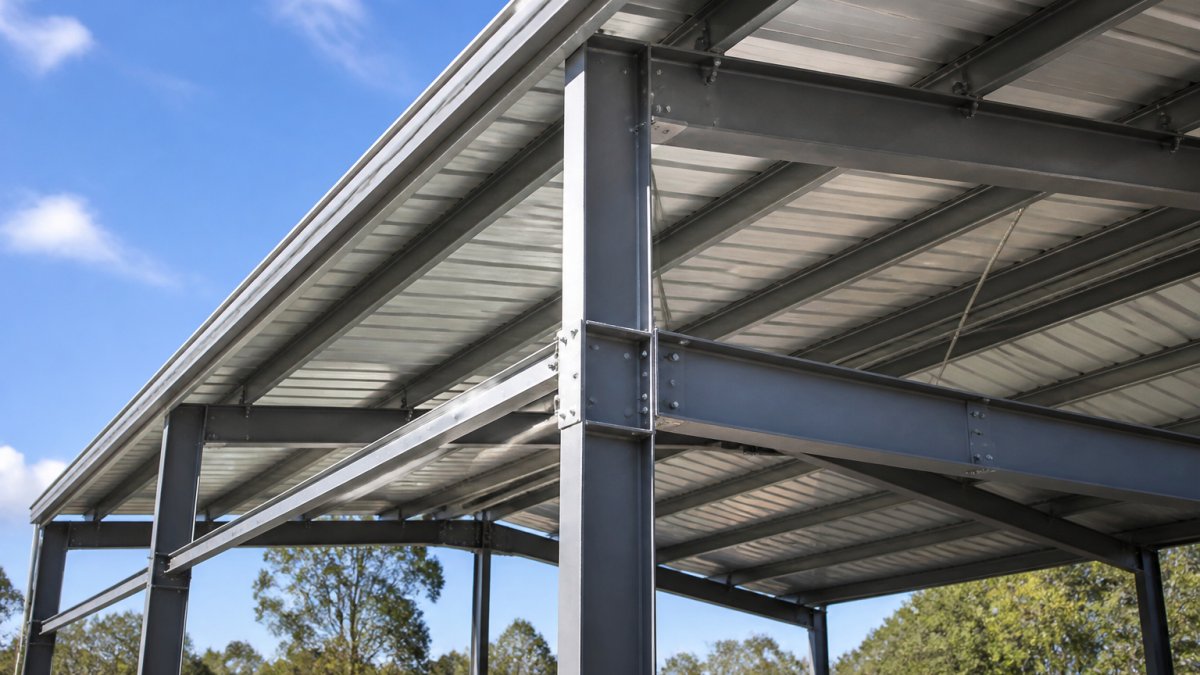
Your building’s structural frame, the primary skeleton of steel beams, columns, and connections, is typically the most protected element under steel building warranty coverage, including defects in material composition, manufacturing flaws, and structural failures caused by the steel itself.
Connection points between beams and columns are usually included in structural warranty protection and are critical for load transfer. Paint or coating on the frame, however, is often covered separately under paint warranty provisions.
Roof and Wall Panels
Roof and wall panels receive separate warranty coverage for manufacturing defects in the sheet metal itself, including improper gauge thickness, material composition issues, and protection against perforation, rust-through, and structural failure.
Panel warranties typically exclude damage from improper installation, lack of maintenance, or environmental factors beyond normal weather exposure. Fasteners often have 5-10 year coverage compared to 20 years for panels.
Paint, Coating, and Exterior Finish
Paint and coating warranties typically last 5-10 years and cover peeling, flaking, chalking, and color fading caused by manufacturing defects in the paint application process.
Exterior finishes must be maintained according to manufacturer specifications. Damage from chemical exposure, salt spray, or industrial pollution may void paint warranty coverage depending on location and warranty terms.
Metal Building Warranty Coverage by Type
Different warranty types protect different aspects of your building. Understanding these categories helps you know exactly what’s covered when a problem arises.
Structural and Frame Coverage
Structural warranty covers the primary steel frame, beams, columns, and main connections against material defects and manufacturing flaws. Terrapin’s 12-gauge steel framing carries 20-year structural coverage.
Structural coverage includes load-bearing capacity defects and connection failures due to manufacturing error, but excludes damage from improper installation, overloading, or site condition failures.
Workmanship and Installation Defects
Workmanship warranty covers defects introduced during manufacturing and assembly, such as poor welds, misaligned components, or incorrect fastener installation.
Installation defects are typically covered only if performed by the manufacturer’s authorized installation crews. Improper installation by unauthorized contractors can void coverage.
Corrosion and Rust Protection
Rust and corrosion warranties protect against rust-through perforation and structural corrosion caused by material defects or manufacturing flaws in the steel’s composition or protective coating, typically lasting 20 years.
Corrosion protection assumes normal atmospheric exposure and proper maintenance. Coastal salt spray, industrial chemical exposure, and condensation-related rust are typically excluded from coverage.
Inspect your building annually for signs of rust or corrosion, particularly in areas prone to moisture buildup. Early detection and maintenance preserve your warranty coverage and extend your building’s lifespan significantly.
Metal Building Warranty Exclusions and Limitations
What’s not covered is just as important as what is. Exclusions define the real boundaries of your protection.
Weather and Natural Disasters
Steel building warranties explicitly exclude damage from weather events and natural disasters, including wind damage, hail, snow load collapse, and lightning strikes.
The distinction matters: roof leaks from defective panels are covered; roof failure from winds exceeding the building’s design rating is excluded.
Normal Wear and Maintenance Issues
Fading, chalking, and minor surface corrosion from normal exposure are considered wear and tear, not warranty defects.
Rust caused by inadequate maintenance, poor ventilation, or failure to follow manufacturer recommendations is excluded. Regular inspection and upkeep maintain coverage validity.
Accidental Damage and Misuse
Damage from impact, collision, or misuse is excluded from all warranties. Unauthorized modifications void coverage for affected areas.
Modifications made after purchase, adding openings, removing bracing, altering load paths, typically void warranty coverage on modified sections.
Never modify your steel building’s structure without consulting the original engineer and manufacturer. Unauthorized changes can void your entire warranty and compromise structural safety. Even seemingly minor alterations can affect load distribution and stability.
Steel Building Warranty Length and Duration
Warranty duration determines how long you’re protected. Different components have different timeframes.
Standard Warranty Periods
Most manufacturers offer 20-year structural warranties on the primary frame, 10-20 years on roof and wall panels, 5-10 years on paint and coatings, and 5-10 years on fasteners.
The warranty period begins on the installation date, not the purchase date. Keep installation documentation to prove the warranty start date.
Extended Coverage Options
Some manufacturers offer extended warranties for an additional cost, adding 5-10 years to structural or panel coverage for long-term ownership.
Extended warranties may require annual inspections, documented maintenance, or manufacturer-approved repair services. Review conditions carefully to assess real value.
How to File a Metal Building Warranty Claim
When you discover a potential warranty defect, the claim process matters. Proper documentation and timely notification protect your rights. Understanding the steps, deadlines, and what manufacturers require prevents delays and denials.
Documentation and Notification Steps
Document the problem with clear photographs from multiple angles and detailed descriptions. Note the discovery date and maintenance history. Contact the manufacturer immediately; most warranties require notification within 30 days of discovery.
Provide the manufacturer with:
- Original purchase order and invoice
- Installation date and proof of installation
- Warranty certificate with warranty start date
- Detailed written description of the defect (rust perforation, structural crack, panel separation, fastener corrosion, roof leaks, etc.)
- Photographs from multiple angles
- Maintenance logs
- Weather records or documentation of unusual environmental exposure
- Proof of no unauthorized modifications
Some manufacturers require an on-site inspection before approving repairs. Be prepared to grant access within 14 days of filing your claim.
What Happens After You File
The manufacturer investigates your claim within 30 days of receiving complete documentation. An inspector will examine the defect, review your maintenance records, and assess site conditions to determine coverage.
If approved, the manufacturer authorizes repair or replacement within 30 to 60 days, performed by authorized service providers to maintain warranty validity.
If denied, the manufacturer must provide a written explanation citing the specific warranty exclusion. Common denial reasons include improper installation, lack of maintenance, unauthorized modifications, excluded damage types, exceeded design parameters, or notification delays.
If you believe the denial is incorrect, request detailed explanation and specific warranty language supporting it. You have the right to appeal with additional documentation. Review your warranty certificate for dispute resolution procedures.
Keep all documentation related to your building in a single file: purchase records, installation photos and certificates, maintenance logs, warranty certificates, inspection reports, and any correspondence with the manufacturer. This documentation is essential if you ever need to file a claim and proves you have maintained the building properly. Store digital copies in cloud storage and keep physical copies in a fireproof location.
Factors That Affect Your Steel Building Warranty
Several factors influence whether your warranty remains valid and how it performs. Understanding these factors helps you preserve coverage and avoid common pitfalls.
Installation Quality and Site Conditions
Proper installation by factory-trained, licensed, and insured crews preserves full warranty coverage. Poor installation by unqualified contractors can void coverage.
Your building’s foundation must be properly prepared, level, and compacted to manufacturer specifications. Inadequate drainage can cause rust classified as maintenance failures. Extreme site conditions, coastal salt spray, industrial chemical exposure, unusual moisture, may reduce warranty coverage or require special protective measures at additional cost.
Maintenance and Ownership Changes
Regular maintenance preserves your warranty. Annual inspections, cleaning gutters, maintaining ventilation, checking fasteners, and addressing minor issues early prevent problems from becoming warranty disputes.
Warranty transferability varies by manufacturer. Some warranties transfer to new owners; others are limited to the original purchaser. If you plan to sell your property, verify whether the warranty transfers and what documentation the new owner needs. Transferable warranties add value to your property and provide continuity of protection. Some manufacturers require registration or notification of ownership changes; failure to notify can void transferability.
Understanding Warranty Language and Key Terms
Your warranty document contains specific language that defines what is and is not covered. Learning to read this language prevents misunderstandings when claims arise.
Prorated Coverage: Many warranties are prorated, meaning coverage decreases over time. For example, a 20-year structural warranty might cover 100% of repair costs in years 1-5, 75% in years 6-10, 50% in years 11-15, and 25% in years 16-20. After year 20, you receive no coverage.
Sole Remedy: This phrase means the manufacturer’s only obligation is repair or replacement of the defective component. It does not include compensation for business interruption, lost income, temporary shelter, or other consequential damages.
Consequential Damages Exclusion: This clause explicitly excludes the manufacturer’s liability for indirect losses resulting from a defect. If a roof leak damages inventory inside your building, the manufacturer covers the roof repair but not the damaged inventory.
Remedy: The warranty specifies what the manufacturer will do if a defect is confirmed. Common remedies are repair, replacement, or refund. Most warranties promise repair or replacement at the manufacturer’s discretion. Some warranties allow the manufacturer to choose the cheaper option; you do not get to choose.
Exclusions and Conditions: Your warranty lists specific exclusions (weather, accidents, modifications) and conditions (proper installation, maintenance, timely notification). These are not suggestions; they are legal boundaries.
Warranty Period Start Date: The warranty period begins on the installation date, not the purchase date. This distinction matters if your building sits in inventory before installation. Your coverage clock starts when the building is erected on your property.
Transferability and Registration: Check whether your warranty requires registration with the manufacturer to be valid. Some manufacturers void warranties on unregistered buildings. If the warranty is transferable, verify what documentation the new owner must provide and whether there are registration deadlines or fees.
Limitations on Liability: Many warranties include a cap on the manufacturer’s total liability. For example, the manufacturer’s liability might be limited to the purchase price of the building or a specific dollar amount.
Locate these terms in your warranty certificate and warranty document. If language is unclear, contact the manufacturer or your dealer for clarification before a problem arises. Do not assume coverage; verify it in writing. Misunderstanding warranty language is one of the most common reasons claims are denied.
Never assume your warranty covers a specific scenario. If you are unsure whether something is covered, ask the manufacturer in writing and keep their response. Email is acceptable and creates a record. Verbal assurances are not binding; written confirmation protects your rights.
Frequently Asked Questions
What is typically covered under a steel building warranty?
Steel building warranties generally cover the structural frame, primary load-bearing connections, roof panels, wall panels, and paint or coating finishes. Coverage usually includes defects in materials and workmanship for periods ranging from 10 to 20 years. The structural frame warranty is typically the longest, while paint and finish warranties are shorter. Specific coverage depends on the manufacturer and the warranty type you purchase.
What are common exclusions in metal building warranty exclusions?
Most metal building warranties exclude damage from storms, high winds, snow loads, earthquakes, floods, and other acts of God. They also typically do not cover normal wear and tear, fading, peeling paint, or damage from improper maintenance. Accidental damage, misuse, modifications made after installation, and damage from poor site preparation are generally excluded. Always review your specific warranty document to understand what is not covered.
How long does a steel building warranty length typically last?
Most steel building warranties cover the structural frame for 10 to 20 years, with 20 years being common for high-quality American-made structures on 12-gauge steel. Roof and wall panel warranties typically last 10 to 15 years, while paint and coating warranties are usually 5 to 10 years. Some manufacturers offer extended coverage options. The warranty period begins on the installation date, not the purchase date.
What steps do I need to follow to file a metal building warranty claim?
First, document the issue with photos and detailed notes, including the date you discovered the problem and the building’s installation date. Contact your manufacturer or dealer immediately and notify them in writing. Provide all documentation and allow the manufacturer to inspect the damage. Most manufacturers will either repair the defect or provide replacement materials at no cost if the claim is valid. Keep records of all communications and maintain the building according to warranty requirements to protect your coverage.