


How to Verify Licensed and Insured Building Contractors
Quick Summary
To verify licensed and insured building contractors, look up the license on your state or local contractor licensing board and confirm its status, classification, and expiration date. Then request a certificate of insurance and check its general liability and workers’ compensation coverage and policy dates directly with the insurer or agent.
- A license and insurance are separate; a contractor can have one without the other.
- Start the license check with your state’s contractor licensing board, not a third-party directory.
- Compare the business name across the license, contract, estimate, and certificate of insurance.
- Ask for a certificate of insurance and confirm policy dates and coverage limits with the insurer or agent.
- Compare bids only after confirming they cover the same scope of work.
Table of Contents
- How to Verify Licensed and Insured Building Contractors
- What Licensed and Insured Building Contractors Actually Mean
- How to Verify a Contractor’s License
- Contractor Insurance Requirements You Should Expect
- Getting a Certificate of Insurance for Contractors
- Questions to Ask a Building Contractor Before You Hire
- Written Estimates, Contracts, and Payment Safeguards
- Booking a Consultation for Your Steel Building Project
- Frequently Asked Questions
How to Verify Licensed and Insured Building Contractors
Last Updated: October 27, 2026
Hiring the wrong contractor can cost you far more than the bid price. Verifying licensed and insured building contractors before you sign anything is a step you can take before hiring.
Terrapin Steel Buildings sells and delivers engineer-certified steel structures and installs them with factory-trained, licensed, and insured crews. The steps below apply to any contractor you consider, whoever builds your project.
What Licensed and Insured Building Contractors Actually Mean
A license and insurance are two separate things, and a contractor can have one without the other. A license is a credential issued by a state or local authority for certain work. Insurance is coverage for specified risks.
Licensing rules vary by state and sometimes by city or county. Some states issue a general contractor license, while others license only specialty trades like electrical or plumbing. A contractor who is licensed for one type of work may not be licensed for the job you need.
Insurance can include general liability coverage and workers’ compensation coverage. The types of coverage and their terms depend on the policy.
How to Verify a Contractor’s License
A license lookup may provide information such as status, classification, expiration date, and disciplinary history. Check the issuing authority’s record and confirm which information it provides.
Status. Check what the issuing authority says each status means, and confirm whether the license is valid for the work you need.
Classification. Check the issuing authority’s record to confirm whether the license classification covers the scope of your project. If subcontractors are involved, verify any applicable licensing requirements with the relevant authority.
Expiration date. Check the license expiration date with the issuing authority and confirm whether it remains valid for the work.
Disciplinary history. Check whether the issuing authority provides disciplinary information, and review any records it makes available.
Where to Look Up a License
Start with your state’s contractor licensing board, the agency that issues the license, not a third-party directory. Most boards offer a search by license number, business name, or individual name. If your state delegates licensing to counties or cities, the local building department is the correct source. state contractor licensing board directory can help you find the right agency if you are unsure which one governs your project.
Cross-check the business name. Compare the names on the license, contract, estimate, and certificate of insurance, and ask the relevant authority or insurer about any mismatch.
If a contractor cannot provide a license number or you cannot verify it, check with the relevant licensing authority before proceeding.
State and Local Licensing Differences
Licensing requirements depend on the jurisdiction and the work involved. Check with the relevant authority to determine which requirements apply to your project.
Check with your local building department to determine whether permits or registrations apply to your project. Ask who will handle any required permits and inspections, and confirm the requirements with the department.
Contractor Insurance Requirements You Should Expect
Ask the contractor what insurance coverage they carry and request documentation. Review the policy terms and dates with the insurer or agent.
Review any insurance documentation with the insurer or agent if the coverage or dates are unclear.
General Liability vs. Workers’ Compensation
General liability and workers’ compensation policies have different terms and coverage. Review the applicable policy documents with the insurer or agent.
Ask the contractor and insurer how workers, including subcontractors, are covered, and consult the relevant authority about applicable requirements.
Getting a Certificate of Insurance for Contractors
A certificate of insurance, often called a COI, summarizes information about insurance coverage. Ask the contractor or insurance agent what documentation is available and what it confirms.
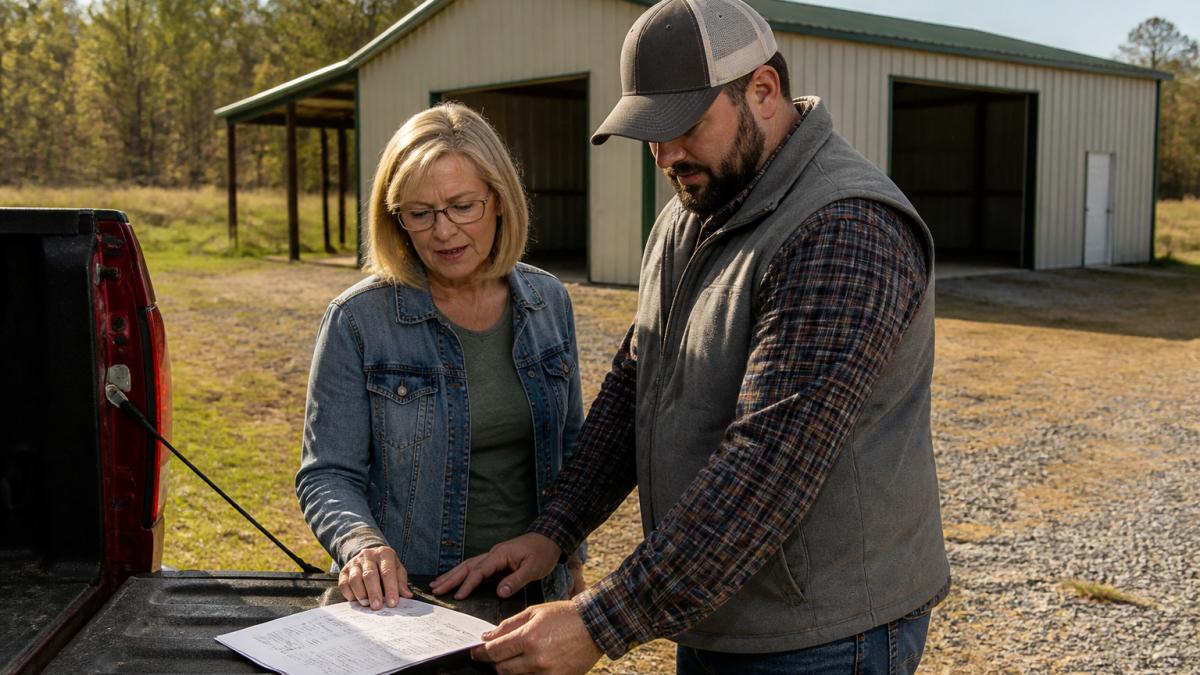
Review the policy dates and coverage limits, and ask the insurer or agent what any listed status means and whether it applies to your situation.
Questions to Ask a Building Contractor Before You Hire
Ask for references from recent projects of similar size. Ask who will supervise the crew on site and how changes to the scope will be handled and priced.
Ask whether the contractor uses subcontractors and check with the relevant authority and insurer about applicable licensing and coverage.
Use these questions to compare contractors on the same footing before you sign anything.
| Question | What to check | Why it matters |
|---|---|---|
| Recent projects of similar size | Ask for references | Shows relevant experience |
| Who supervises the crew on site | Name and role | Confirms accountability during the job |
| How scope changes are handled and priced | Written process | Prevents surprise charges |
| Whether subcontractors are used | Yes or no, and who | Affects licensing and coverage |
Written Estimates, Contracts, and Payment Safeguards
When comparing bids, check whether the estimates cover the same scope before comparing numbers.
Build an Apples-to-Apples Scorecard
Create a simple spreadsheet with one column per contractor and one row per comparison criterion. Score each contractor on the same criteria so the decision is based on evidence rather than the sales pitch. A practical scorecard covers:
- License status and classification, verified on the state or local board, current, and matching the scope.
- Insurance, general liability and workers’ compensation limits, policy dates, and whether you are named as an additional insured.
- Scope detail, check whether the estimate describes the work and items included.
- Schedule, review any schedule information included in the contract.
- References, review any references the contractor provides.
- Communication, clarify how to contact the contractor and how changes are handled.
- Contract terms, review the terms stated in the contract.
You can score each row on a simple scale and weight the rows that matter most to your project.
Compare Bids on the Same Scope
When comparing bids, check whether they cover the same scope of work. Note any differences or omissions and ask the contractor to clarify them.
You can ask the contractor to explain what the estimate includes and how changes would be handled.
Contract Terms That Protect You
Review the contract carefully, including its description of the work, payment terms, warranty terms, and any provisions about permits, supervision, cancellation, changes, or disputes.
Payment Safeguards
Review the payment schedule and any inspection or completion conditions in the contract before agreeing to them.
Review the payment terms and ask the contractor to explain any deposit before agreeing to it.
Review the payment schedule and any inspection conditions before agreeing to the contract.
Change Orders in Writing
Review the contract’s process for changes to scope, materials, or schedule, and clarify any changes with the contractor before proceeding.
Booking a Consultation for Your Steel Building Project
If you are planning a steel building, verifying licensing and insurance is only part of the decision. Request a quote to start the conversation.
Frequently Asked Questions
What does it mean for a building contractor to be licensed and insured?
A license is a credential issued by a state or local authority for certain work. Requirements depend on the jurisdiction. Insurance coverage and its terms depend on the policy. Ask the contractor what coverage they carry and request documentation.
How can I verify a building contractor’s license?
Ask for the contractor’s license information and check with the relevant licensing authority to verify it. Confirm which requirements apply to your project with the appropriate authority.
Should I ask a contractor for a certificate of insurance?
Yes. Ask the contractor or insurance agent what insurance documentation is available and what it confirms. Review the policy dates and coverage information with the insurer or agent.
What questions should I ask a building contractor before hiring?
Ask for the contractor’s license information and insurance documentation, and check with the relevant authorities or insurer if you have questions. You can request references and ask who will supervise the job, whether subcontractors are used, and how changes to scope will be handled.
